
Trenches to Foundations: Excavators That Keep Fredericksburg Projects Moving
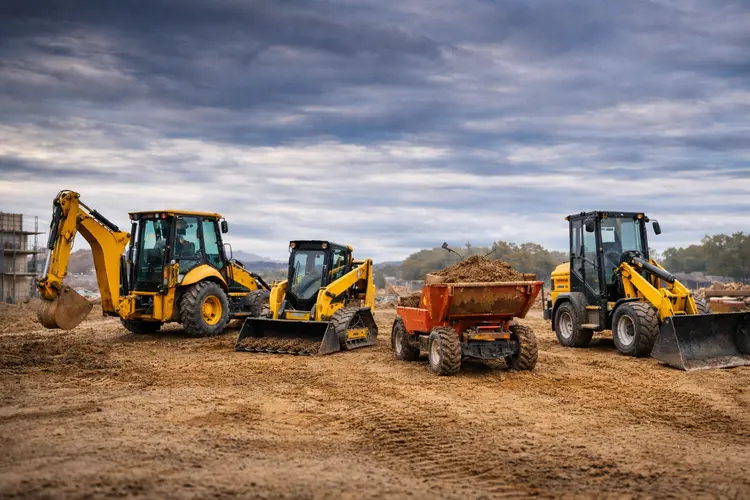
Construction projects depend on careful planning, reliable machinery, and skilled operators who understand the demands of working with different ground conditions. Whether preparing land for residential development, installing underground utilities, or excavating foundations for commercial buildings, excavators play an essential role in keeping construction activities organized and productive. In Fredericksburg, Virginia, contractors rely on versatile earthmoving equipment to handle demanding tasks while maintaining accuracy and efficiency. Choosing the right machinery can influence everything from project timelines to operating expenses. For contractors exploring Volvo excavators in Fredericksburg, understanding equipment capabilities, applications, and maintenance requirements can help them make informed decisions that support successful construction outcomes. Preparing Construction Sites for Successful Development Before construction begins, the ground must be prepared to accommodate foundations, drainage systems, access roads, and other essential structures. Excavators help contractors remove unwanted materials, reshape uneven terrain, and establish suitable conditions for subsequent construction activities. Site preparation often involves clearing debris, removing soil, digging designated areas, and managing excavated materials. Modern excavators offer controlled digging movements that allow operators to work accurately around existing structures and underground infrastructure. Fredericksburg construction projects may involve residential neighborhoods, commercial properties, and infrastructure improvements. Each environment presents different operating conditions, making equipment selection an important part of project preparation. Excavating Trenches for Underground Infrastructure Trenching is among the most common applications of excavators on construction sites. Underground water lines, drainage networks, electrical conduits, and communication systems require carefully excavated pathways before installation. Excavators equipped with appropriately sized buckets can create trenches according to project specifications. Their hydraulic systems support controlled digging, helping operators maintain the required dimensions while minimizing unnecessary soil disturbance. However, successful trenching involves more than machinery performance. Contractors must consider underground utility locations, soil stability, excavation depth, and worker safety. Proper protective systems and safe excavation procedures remain essential whenever workers need to enter trenches. Reliable excavation equipment supports consistent progress throughout these operations, particularly when projects involve multiple underground installations. Building Strong Foundations Through Accurate Excavation Every durable structure begins with a properly prepared foundation. Excavators help remove soil to the required depth, create space for foundation systems, and prepare areas for subsequent grading and construction. Foundation excavation demands accuracy because excessive digging can increase material requirements and complicate construction schedules. Equipment with responsive hydraulic controls allows experienced operators to make controlled movements while working near excavation boundaries. For residential developments, excavators may prepare basement areas, footing trenches, and drainage channels. Commercial projects often require larger excavation areas and machinery capable of handling substantial volumes of earth. Selecting suitable equipment helps contractors coordinate excavation work with foundation crews and other construction professionals. Selecting Excavators for Different Jobsite Conditions Construction environments vary considerably, and not every excavator is suitable for every assignment. Compact excavators are particularly useful in restricted spaces, including residential properties, narrow access areas, and locations near existing buildings. Larger crawler excavators provide the stability and digging capabilities needed for substantial earthmoving operations. Their tracked undercarriages help distribute machine weight across challenging surfaces, while compatible attachments extend their usefulness beyond conventional digging. Contractors should evaluate digging depth, lifting capacity, available working space, ground conditions, and transportation requirements before choosing equipment. Matching machinery to actual project demands can improve productivity while reducing unnecessary operating expenses. Maintaining Equipment Reliability Throughout Construction Unexpected equipment failures can interrupt construction schedules and create additional expenses. Preventive maintenance helps contractors identify potential mechanical problems before they develop into major operational disruptions. Daily inspections should include hydraulic connections, fluid levels, tracks, buckets, and visible wear components. Operators should also monitor unusual sounds, changes in hydraulic response, and warning indicators during operation. It’s equally crucial to have access to replacement parts and skilled service personnel. Equipment designed with accessible maintenance points can simplify routine inspections and help reduce service interruptions. For contractors managing several projects simultaneously, consistent maintenance practices support dependable equipment availability and more predictable scheduling. Supporting Long-Term Construction Productivity Successful excavation involves balancing equipment performance with responsible project management. Contractors must coordinate machinery availability, operator experience, material transportation, and changing site conditions to maintain steady progress. Choosing between equipment rental and ownership also requires careful consideration. Rental arrangements may suit temporary assignments or specialized requirements, while ownership can benefit businesses with consistent excavation workloads. Ultimately, reliable excavators contribute to smoother construction operations by supporting accurate digging, efficient material handling, and organized site development. Conclusion From underground trenches to substantial building foundations, excavators remain essential to construction activities throughout Fredericksburg. Their versatility allows contractors to manage site preparation, infrastructure installation, foundation excavation, and earthmoving operations using equipment suited to individual project requirements. By selecting appropriate machinery, prioritizing preventive maintenance, and following established safety practices, construction professionals can improve operational consistency. As development needs continue to evolve, dependable excavation equipment will remain an important part of building strong foundations and keeping Fredericksburg projects moving forward. Davidwww.stslogin.com